What Is Content Localization? A Complete Beginner's Guide
The word "localization" (L10n) is shorthand for "localization" — the L, ten letters, and the n. But behind this technical abbreviation lies a surprisingly deep concept.
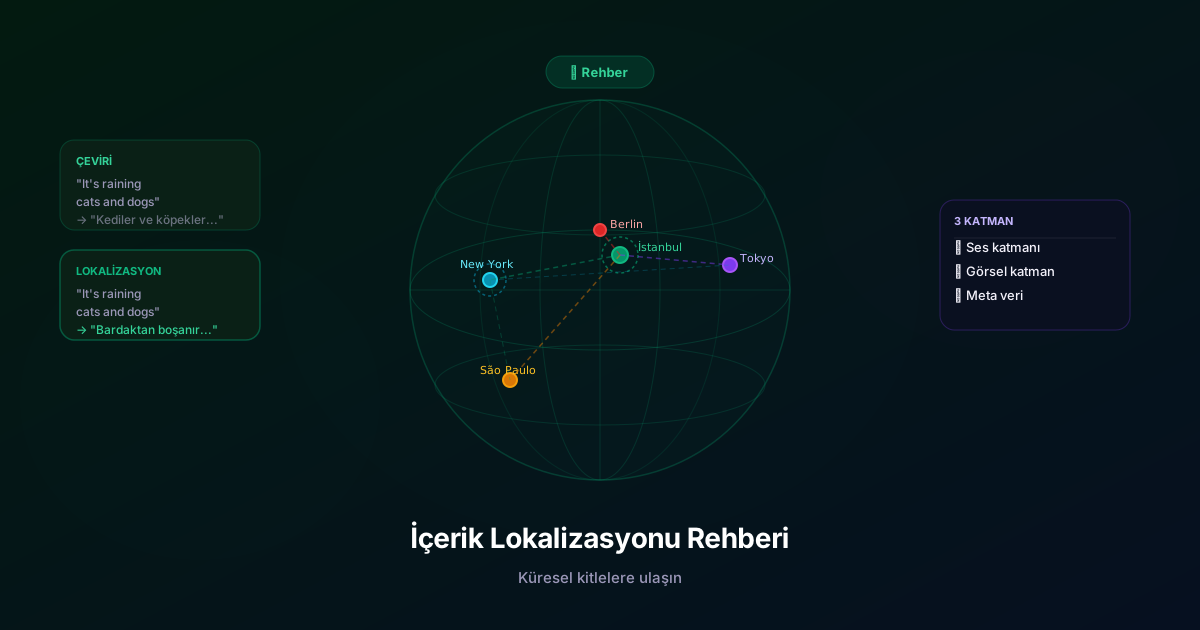
Translation ≠ Localization
Translation is transferring words from one language to another. Localization is adapting content to fit the target culture:
- Idioms and slang: "It's raining cats and dogs" → the natural equivalent in the target language
- Date and time formats: MM/DD/YYYY → DD/MM/YYYY
- Currency and measurements: miles → km, $ → local currency
- Cultural references: American football → soccer
- Visual elements: Color associations and symbols vary across cultures.
The Layers of Video Localization
When localizing video content, at least three layers are involved:
- Audio layer: Dubbing or voice-over
- Visual layer: On-screen text, graphics, text banners
- Metadata layer: Title, description, tags, thumbnail
Where to Start?
Analyze your highest-traffic content. Which videos could appeal to an international audience? Prioritize these videos and run a pilot localization for a single language. Measure the results and shape your strategy accordingly.
Fast Localization with Spimov
Spimov's pipeline automates translation and audio synthesis while Gemini-powered quality control flags cultural mismatches. For the visual layer, you can make segment-by-segment edits in our timeline editor.
Try It Now
Dub your videos into 14 languages with AI in minutes. No credit card required.
Start Free